
The problem isn't just the phone
In a modern veterinary clinic, time is not only wasted during visits. It is often consumed by repetitive activities that interrupt the team's work: phone calls to confirm appointments, vaccination boosters, post-visit follow-ups, messages to owners, invoices to request, quotes to follow up and hospitalizations to monitor.
These activities are important, but if they are managed manually they become an ongoing source of operational stress. Every day receptionists, veterinarians and facility managers must remember what to do, who to contact, which client to call back and which task to assign to the right colleague.
As the clinic grows, this method no longer holds up. You need intelligent notifications, configurable automations and a centralized view of priorities.
The real notification center: a single inbox for the entire clinic
Veterinary software shouldn't just show a calendar or medical record. It should help the team understand, every morning, which tasks are truly urgent.
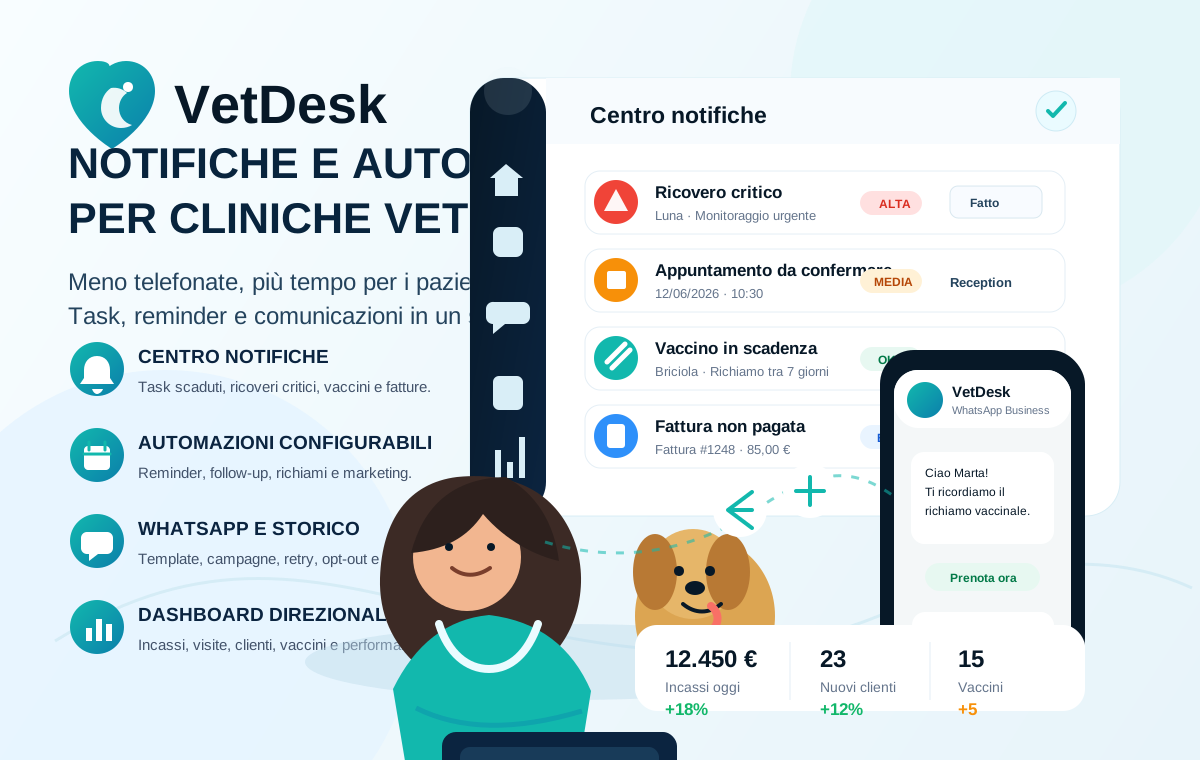
This is why a clinic needs an operational notification center: a single inbox where all the important information comes together.
On one screen, staff should see:
- overdue or expiring tasks;
- messages from owners;
- critical hospitalizations to be monitored;
- appointments to be confirmed;
- expiring vaccines and boosters;
- unpaid invoices;
- estimates to be approved;
- post-visit follow-up to be sent.
Each item should have a priority, a deadline, a status and a responsible person. In this way the classic "I thought someone else would do it" no longer exists.
Mark as done, assign, check
The difference between a simple notification and real operational management is the ability to act.
A useful notification must be able to be closed, assigned, postponed or transformed into a task. If a vaccine needs to be recalled, the receptionist must be able to assign it to herself. If a hospitalization requires attention, the veterinarian on duty must be able to mark the check as completed. If an invoice is unpaid, the administration must be able to manage the reminder.
This approach turns notifications into a shared work system, not a list of alerts that no one reads.
Automations configurable by the clinic
Every veterinary facility works differently. This is why automations should not be rigid or decided only by the software.
The clinic should be able to configure its own rules directly from a dedicated page.
Vaccination reminders
A concrete example is the vaccination booster. A clinic can decide to send a first reminder 30 days before, a second 7 days before and a last warning the previous day.
This reduces forgetfulness, improves clinical continuity and increases customer loyalty.
Appointment reminder
Missed appointments generate holes in the agenda and economic loss. An automatic system can send a reminder 24 hours before and a second message 2 hours before the visit.
The owner receives the notification without the receptionist having to manually call.
Post-visit follow-up
After a visit, surgery or therapy, an automatic message after 3 days can make a big difference. It allows the clinic to check how the animal is doing, intercept problems and make the owner perceive greater attention.
Pesticide recalls and marketing communications
Automations can also be useful for periodic treatments, pesticides, seasonal campaigns, greetings and information communications. The important thing is that everything is tracked and sent only to customers who have provided the correct consent.
Consensus and marketing: it's not enough to have a tick
Marketing consent should not be handled as a simple yes or no.
A modern platform should record:
- the authorized channel: WhatsApp, email or SMS;
- the date of consent;
- the version of the accepted document;
- any revocations or opt-outs;
- the reason why a customer was included in a campaign.
This is important both for respect of privacy and for transparency towards the owner. If a customer asks why they received a message, the clinic must be able to answer precisely.
Owner communications history: fewer phone calls, more clarity
One of the most useful tools in the clinic is the communication history.
Inside the owner and animal file you should be able to see:
- WhatsApp sent;
- emails sent;
- signed consents;
- Care and follow-up messages;
- vaccination reminders;
- quotes sent;
- notifications already read or completed.
This allows anyone working in the clinic to know what has already been communicated. Double phone calls, duplicate messages and confusing responses to the customer are avoided.
Complete WhatsApp: from simple message to operational channel
WhatsApp is one of the most used channels by pet owners today. But for a clinic it is not enough to “send messages”. You need a system ready for real use.
An advanced WhatsApp management should include:
- template configuration;
- template testing before sending;
- readable campaign history;
- management of failed submissions;
- automatic retry;
- quick opt-out;
- link to the clinic's WhatsApp Business number.
When WhatsApp is integrated into the veterinary management system, it becomes an operational tool and not just a separate chat.
Directional dashboard: the numbers you need every morning
The clinic owner doesn't just need to see notifications. He needs to understand how the facility is doing.
A management dashboard should simply show:
- receipts;
- number of visits;
- new customers;
- dormant customers;
- missed vaccines;
- conversion of estimates;
- active hospitalizations;
- veterinary performance;
- unpaid invoices.
It's not about adding unnecessary graphics. It's about giving the owner useful numbers to make better decisions every day.
Audit log: know who did what
In a multi-user, multi-clinic setting, it is critical to know who viewed, edited, or sent certain data.
A comprehensive audit log should track activities on:
- medical records;
- reports;
- invoices;
- consensus;
- diagnostic imaging and PACS;
- owner and animal records;
- communications sent.
This is useful for security, for internal organization and also in the event of complaints from a customer.
Clearer roles and permissions
Each person in the clinic needs to see and edit different information.
A receptionist doesn't necessarily have access to everything a healthcare director sees. A veterinarian must be able to manage the clinical part. An external technician may only need to see equipment, tickets and maintenance.
This is why it is important to have a clear UI to configure roles and permissions:
- receptionist;
- veterinarian;
- health director;
- administration;
- external technician;
- owner or manager.
Clear permissions mean fewer errors, more safety and better work organization.
Data import and migration: the step that leads to choosing a software
When a clinic evaluates a new veterinary management software, one of the first questions is always the same: "can I import my data?".
Clients, animals, appointments, visit history, vaccines and documents cannot be lost.
An import wizard from Excel or an old management software therefore becomes a decisive element. It allows the clinic to start using the new system without blocking daily work.
Operational quality: the little things that make you perceive solidity
A professional platform can also be recognized by the details.
Features such as exportable backup, integration status, system health page, error log, missing data check and duplicate owner or pet detection increase clinic confidence.
They are not spectacular elements, but they are the ones that make the owner understand that the software is designed to really work, not just to be nice to look at.
The VetDesk approach
VetDesk was created to connect the clinical, management and operational part of the veterinary facility.
The goal is not to add complexity, but to reduce manual work and make it clearer what happens every day in the clinic.
Notification centre, automations, WhatsApp, consents, management dashboard, audit log, roles, communication history and data import are part of a precise vision: a more organised, more measurable and easier to manage clinic.
The best technology is the one that the team uses every day without feeling like a burden.